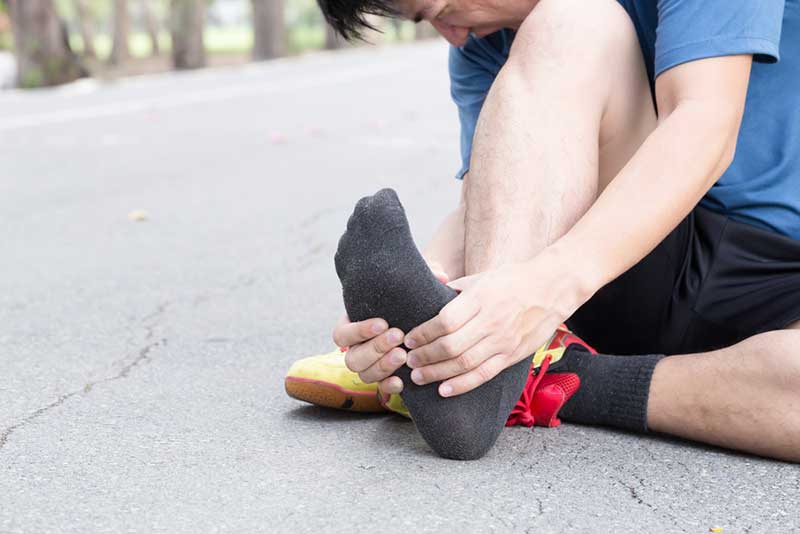
Plantar Fasciitis
Plantar fasciitis is one of the most common causes of heel pain we treat, often linked closely with heel spurs. The good news is most cases respond well to conservative care.
Request an AppointmentPlantar fasciitis is inflammation of the plantar fascia, the thick band of tissue that runs along the bottom of your foot connecting the heel to the toes. It’s a leading cause of heel pain, especially with the first steps in the morning or after periods of rest.
The Connection to Heel Spurs
Heel spurs occur in at least 50% of people who have plantar fasciitis. A heel spur is a bony growth that begins on the front of the heel bone and points toward the arch of the foot. In the past, treatment for heel spurs often included surgery to remove the growth. Today, surgery is rarely needed, and treatment typically focuses on physical therapy, ice, and pain management aimed at the underlying plantar fasciitis.
Common Symptoms
Plantar fasciitis typically causes:
- Sharp heel pain with the first steps in the morning
- Pain that decreases with activity but returns after prolonged standing
- Tenderness along the bottom of the heel
- Stiffness after periods of rest
Treatment Options
Most cases of plantar fasciitis improve with conservative treatment, including:
- Stretching exercises for the calf and plantar fascia
- Ice therapy to reduce inflammation
- Custom orthotics to support the arch and reduce strain
- Supportive footwear
- Anti-inflammatory medication as needed
Plantar fasciitis is often linked to other conditions we treat, including flat feet and Achilles tendonitis, since tightness or misalignment can contribute to the strain on the plantar fascia.
Preventing Plantar Fasciitis
Wearing supportive shoes, stretching regularly, maintaining a healthy weight, and avoiding sudden increases in activity can all help reduce your risk. If your heel pain isn’t improving on its own, it’s worth getting evaluated rather than pushing through it. If you’re new to our practice, visit our new patients page or meet the doctor before your first visit.
Frequently Asked Questions
What does plantar fasciitis pain feel like?
It’s often described as sharp heel pain, especially with the first steps in the morning or after sitting for a while.
Is plantar fasciitis the same as a heel spur?
No, plantar fasciitis is inflammation of the plantar fascia, while a heel spur is a bony growth that often occurs alongside it, though not everyone with a heel spur has pain.
How long does plantar fasciitis take to heal?
Many cases improve within a few months with consistent conservative treatment, though some cases take longer.
Can custom orthotics help with plantar fasciitis?
Yes, custom orthotics are commonly used to support the arch and reduce strain on the plantar fascia.
Will I need surgery for plantar fasciitis?
Surgery is rarely needed. Most cases respond well to conservative treatments like stretching, orthotics, and physical therapy.
What stretches help with plantar fasciitis?
Calf stretches and specific plantar fascia stretches, often done before getting out of bed, can help reduce morning heel pain.
When should I see a podiatrist for heel pain?
If heel pain persists for more than a couple of weeks or interferes with your daily activities, it’s a good idea to be evaluated.